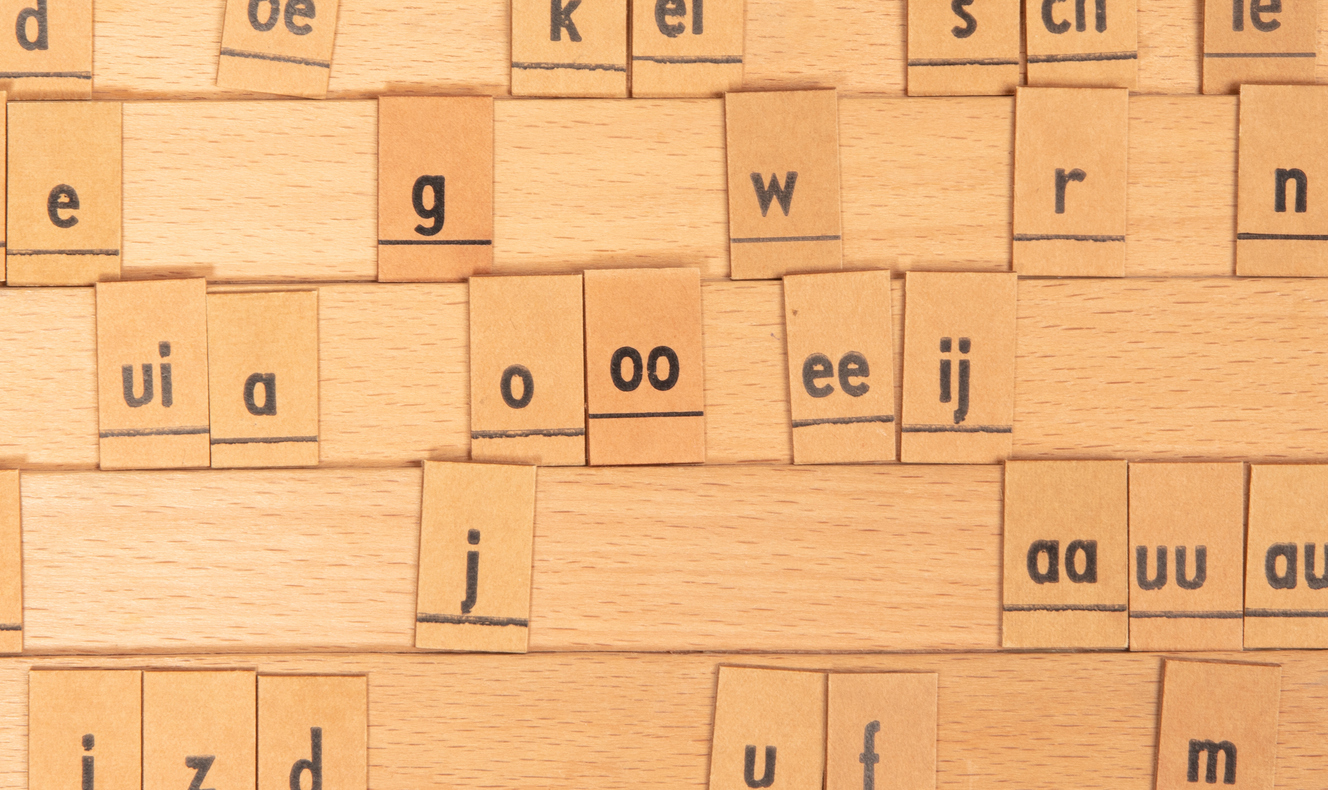
If you are learning Dutch, you have probably noticed that Dutch spelling can be surprisingly complicated. Why are some Dutch sounds written in such unusual ways? Why do spelling rules sometimes seem to make little sense? And why do Dutch people themselves love to argue about spelling?
There is actually a fascinating historical reason.
In their article “Geruzie en een falend alfabet” (“Arguments and a Failing Alphabet”), linguists Miet Ooms and Yfke de Jong explore the history of Dutch spelling and one intriguing idea: The Latin alphabet was never designed specifically for the Dutch language.
The Dutch Alphabet Wasn’t Made for Dutch
Dutch uses the 26 letters of the Latin alphabet, but the sounds of Dutch did not always fit neatly into those letters. Just think of the long “aa” sound, the long “a” sound, and the short “a” sound alone.
Centuries ago, Dutch writers had to find creative ways to represent sounds for which there was no obvious letter. Different writers, regions and periods could therefore use different spellings for the same word or sound.
For modern Dutch learners, this can make spelling seem wonderfully and sometimes frustratingly, unpredictable.
How Dutch Spelling Became Standardized
For a long time, there was no single official way to spell Dutch. The rise of the printing press, education and mass literacy changed that. As more people began reading and writing, consistent spelling became increasingly important. Rules were introduced to create a common written form of Dutch.
But there was a problem: agreeing on those rules wasn’t easy. Dutch spelling has been reformed several times, and almost every major change has led to discussion, disagreement and sometimes heated arguments.
The Famous “Tussen-N”
One well-known example is the tussen-n — the extra n that appears in some Dutch compound words, such as pannenkoek. Why pannenkoek but not always similar compounds? When should you use an n? Even native Dutch speakers sometimes disagree.
For Dutch learners, these debates can be confusing. But they also reveal something important about language: spelling is not always logical. It is shaped by history, pronunciation, tradition, usage and attempts to create rules that work for millions of speakers.
So, Is Dutch Spelling Really That Difficult?
Yes — sometimes!
But understanding its history can make Dutch spelling a little less mysterious. What looks like an illogical rule today is often the result of centuries of linguistic development and compromise.
So the next time Dutch spelling leaves you scratching your head, remember:
You’re not the first person to find it confusing.
The Dutch have been arguing about how to write their language for centuries.
And perhaps that is one of the most typically Dutch things of all.
Miet Ooms and Yfke de Jong’s book, Visie, ruzie, compromis: Een kleine biografie van de Nederlandse spelling, will be published in October 2026.
Gebaseerd op een artikel in Onzetaal.nl/visie