What Is Keti Koti?
Keti Koti is an annual Dutch commemoration and celebration held on 1 July. The name comes from Sranantongo, one of Suriname’s languages, and means “broken chains.” The day marks the abolition of slavery in the former Dutch colonies of Suriname and the Dutch Caribbean in 1863. Today, Keti Koti is an important moment to reflect on Dutch colonial history while celebrating freedom, equality and cultural heritage.
The Historical Background
The Netherlands played a significant role in the transatlantic slave trade through the Dutch West India Company (WIC) and colonial plantations. Although slavery was officially abolished on 1 July 1863, formerly enslaved people in Suriname were required to continue working under compulsory state supervision for another ten years. Full freedom was therefore only achieved in 1873, making both dates historically significant.
The National Slavery Monument in Amsterdam
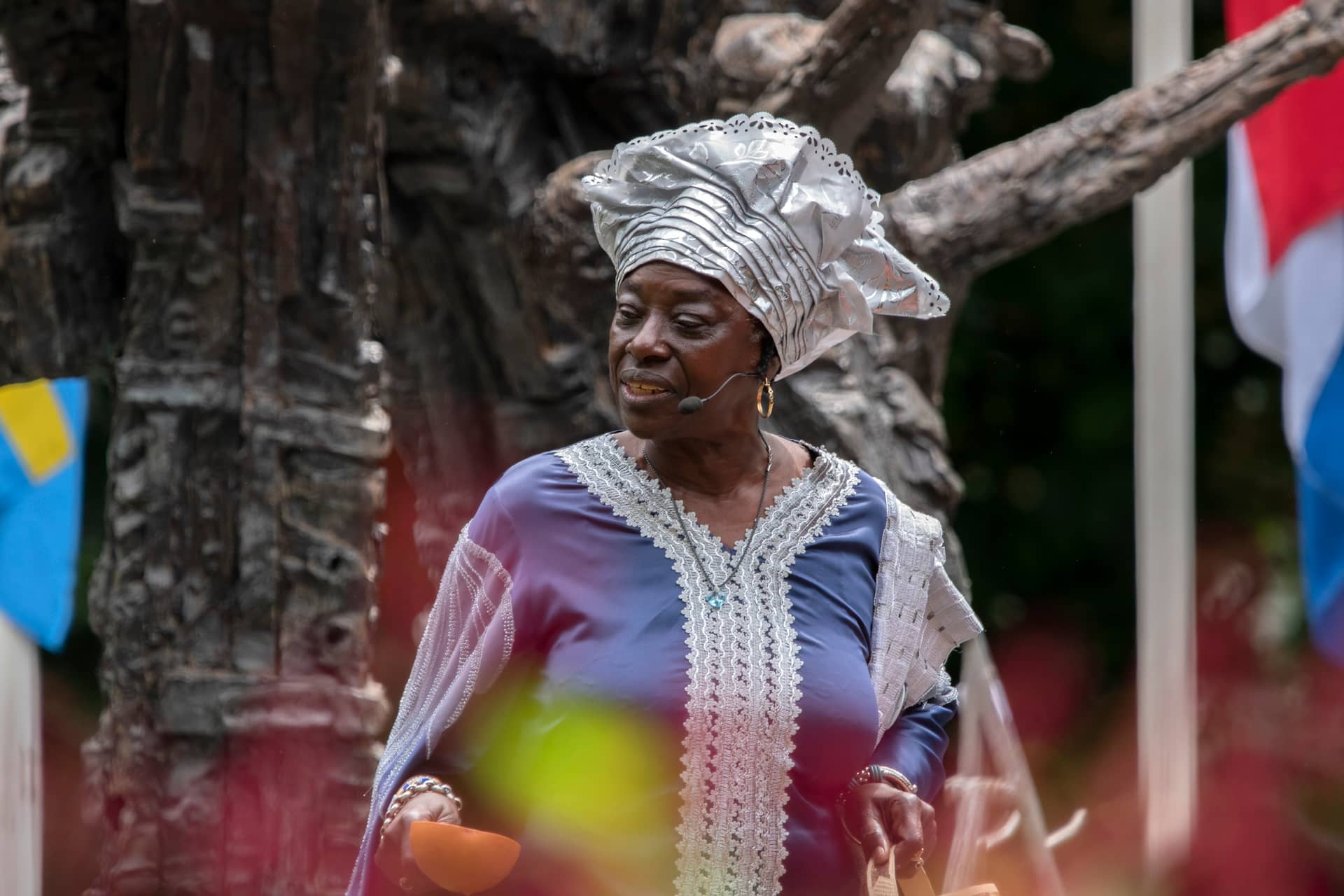
The heart of the Dutch Keti Koti commemoration is the National Slavery Monument in Oosterpark, Amsterdam. Unveiled in 2002, the monument honours the millions of people affected by Dutch slavery and serves as the location of the annual national remembrance ceremony. Every year, government representatives, community leaders and visitors gather here to remember the past and discuss its lasting impact on Dutch society.
Several individuals have helped raise awareness of the Dutch slavery past. Erwin de Vries, a Surinamese artist, designed the National Slavery Monument. Mercedes Zandwijken founded the Keti Koti Table, a dialogue initiative that encourages conversations about the shared history of slavery. In recent years, public figures including King Willem-Alexander and Amsterdam Mayor Femke Halsema have acknowledged the Netherlands’ historical involvement in slavery through public statements and apologies.
Traditions and Celebrations
Keti Koti combines remembrance with celebration. Many people attend memorial ceremonies, wear colourful Angisa headscarves or traditional Surinamese clothing, join the Bigi Spikri parade, enjoy Surinamese food and listen to live music. Museums, cultural organisations and schools also organise exhibitions, lectures and educational events to promote understanding of this shared history.
Why Expats Should Know About Keti Koti
For anyone living in the Netherlands, Keti Koti offers valuable insight into Dutch history, multicultural society and ongoing conversations about equality and inclusion. Understanding this annual event helps expats better appreciate how the country’s colonial past continues to shape its culture and public debate today.
Keti Koti 2026 Programme – Amsterdam
10:00 AM – 1:00 PM | Bigi Spikri Parade
The day begins with the colourful Bigi Spikri Parade, one of the highlights of Keti Koti. Participants gather at the Dutch National Opera & Ballet for a Freedom Breakfast, live music and community activities before walking together to Oosterpark. Many participants wear traditional Surinamese and Caribbean clothing, making the parade a vibrant celebration of freedom and cultural heritage.
2:00 PM – 3:30 PM | National Slavery Commemoration
The official National Slavery Commemoration takes place at the National Slavery Monument in Oosterpark. The ceremony includes:
- Wreath-laying
- Speeches by government officials and community representatives
- Musical performances
- A moment of silence
- A tribute to the millions of people affected by Dutch slavery
This annual ceremony is the country’s most important official event marking the abolition of slavery in the former Dutch colonies.
1:00 PM – 10:00 PM | Keti Koti Festival at Museumplein
Following the commemoration, the celebration continues at Museumplein, where visitors can enjoy a free cultural festival featuring:
- Live music on multiple stages
- Performances by Surinamese and Caribbean artists
- Traditional food stalls and food trucks
- Dance performances and workshops
- Children’s activities
- Cultural exhibitions
- Art, crafts and information stands
Admission to the festival is free.
Free Heri Heri Meals
Throughout Amsterdam, visitors can enjoy free servings of Heri Heri, a traditional Surinamese dish that has become a symbol of freedom, resilience and shared history. The locations are announced each year by the official Keti Koti organisers.
Additional Cultural Events
Museums, theatres and cultural organisations across Amsterdam also organise special Keti Koti events, including:
- Lectures and talks
- Museum exhibitions
- Live performances
- Dialogue sessions
- Poetry readings
- Educational workshops about Dutch colonial history and slavery
These activities provide an opportunity for both residents and expats to gain a deeper understanding of the Netherlands’ colonial past and its continuing influence on Dutch society today.