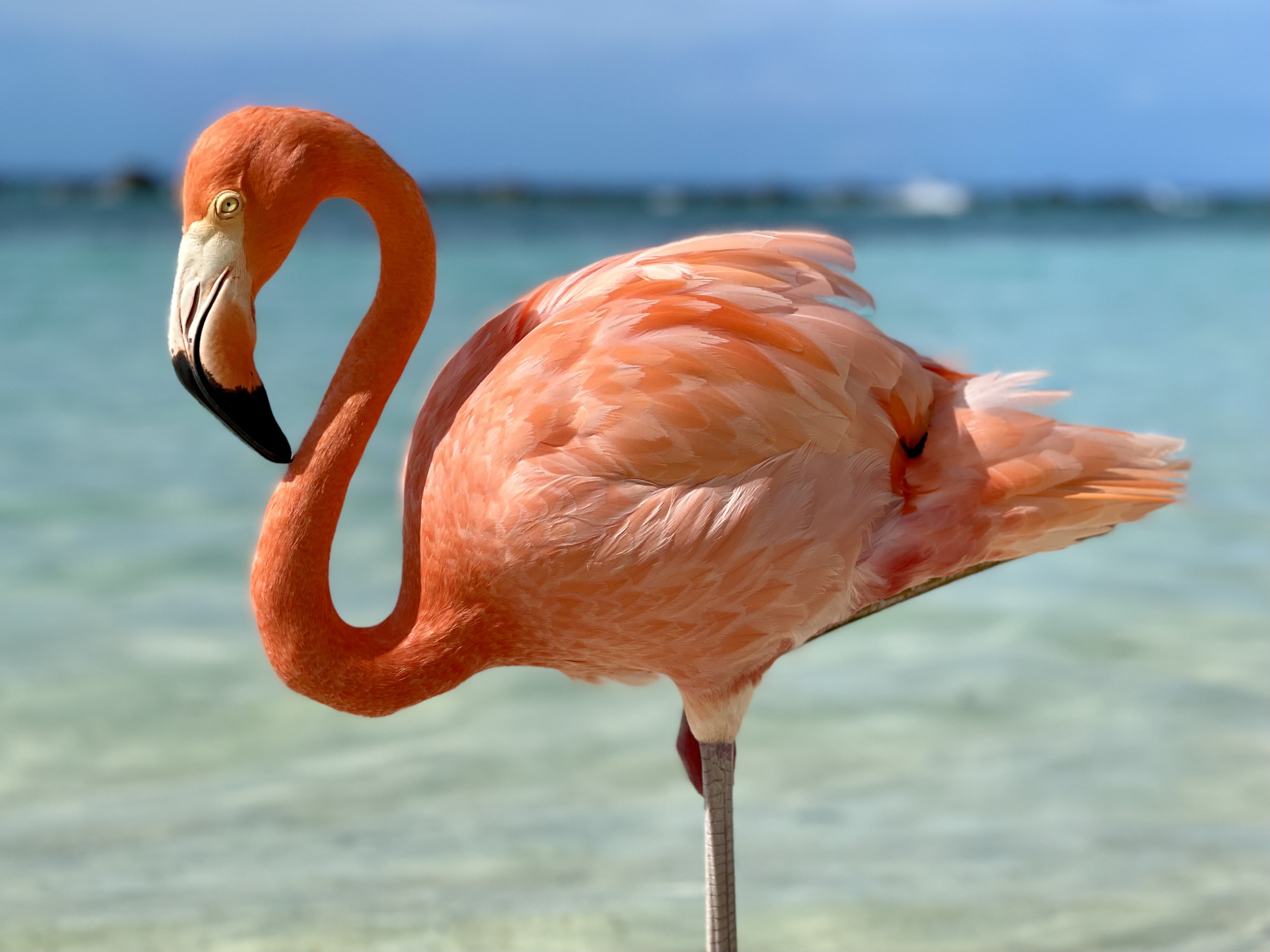
Bonaire, a small Caribbean island located just off the coast of Venezuela, is a unique part of the Kingdom of the Netherlands. Known for its stunning coral reefs and relaxed lifestyle, the island has a complex history, a rapidly changing population, and growing challenges related to inequality and climate change.
A Brief History of Bonaire
Bonaire has been connected to the Netherlands for centuries, originally as part of the Dutch colonial empire. For much of the 20th century, it belonged to the Netherlands Antilles. In 2010, after the dissolution of the Netherlands Antilles, Bonaire became a special municipality of the Netherlands.
This change meant that Bonaire officially became part of the Netherlands, though geographically it lies nearly 8,000 kilometers away in the Caribbean.
Population and Society
The original inhabitants of Bonaire were the Caquetío people, an Arawak group from northern South America. They lived from fishing, agriculture, and trade. After the Dutch took control of the island in 1636, Bonaire became part of the transatlantic slave system. Enslaved Africans were forced to work mainly in salt production, a key export, under harsh conditions. The island also functioned as a slave depot, where enslaved people were held and traded to other colonies. Main traded products included salt, livestock, and agricultural goods. The Netherlands abolished slavery in the Dutch Empire on July 1, 1863.
Today, tourism is the main economic driver. It has brought jobs and infrastructure, but also rising housing prices, environmental pressure on coral reefs, and increased cost of living. Many locals feel that the economic benefits are unevenly distributed, creating ongoing social and economic challenges.
Bonaire has now around 26,000–27,000 residents, and the population has grown significantly in recent years due to immigration. Since 2010, population growth has been strong—nearly 70% increase between 2011 and 2024—largely driven by newcomers.
The population is diverse:
- Many residents are originally from the former Netherlands Antilles
- Around 80% hold Dutch nationality
- Multiple languages are spoken, including Papiamentu, Dutch, English, and Spanish
Changes Since Becoming a Dutch Municipality
Becoming a municipality brought improvements such as:
- Better infrastructure
- Access to Dutch social systems
- Stronger economic ties with Europe
However, it also created tensions. Many locals feel that:
- The cost of living has increased
- Economic inequality has grown
- Decisions are often made in the European Netherlands, far from local reality
A significant part of the population still lives in poverty, despite being part of a wealthy European country.
Challenges for the Local Population
The transformation since 2010 has not benefited everyone equally. Key issues include:
- Rising housing prices due to immigration and tourism
- Dependence on tourism as the main economic driver
- Cultural pressure on local traditions and identity
These developments have led to concerns that the original population is being left behind economically and socially.
Climate Change: An Urgent Threat
Bonaire is highly vulnerable to climate change. Rising sea levels and increasing temperatures pose serious risks:
- Large parts of the island are at risk of flooding
- Coral reefs, crucial for tourism and biodiversity, are under threat
- Infrastructure and cultural heritage sites are located in low-lying coastal areas
In 2026, a Dutch court ruled that the Netherlands is not doing enough to protect Bonaire’s residents from climate change, highlighting unequal treatment compared to the European Netherlands.
Conclusion
Bonaire is a fascinating example of a Caribbean island within a European state. While integration with the Netherlands has brought opportunities, it has also exposed deep inequalities and structural challenges. Combined with the urgent threat of climate change, the future of Bonaire depends on balancing development, social justice, and environmental protection.