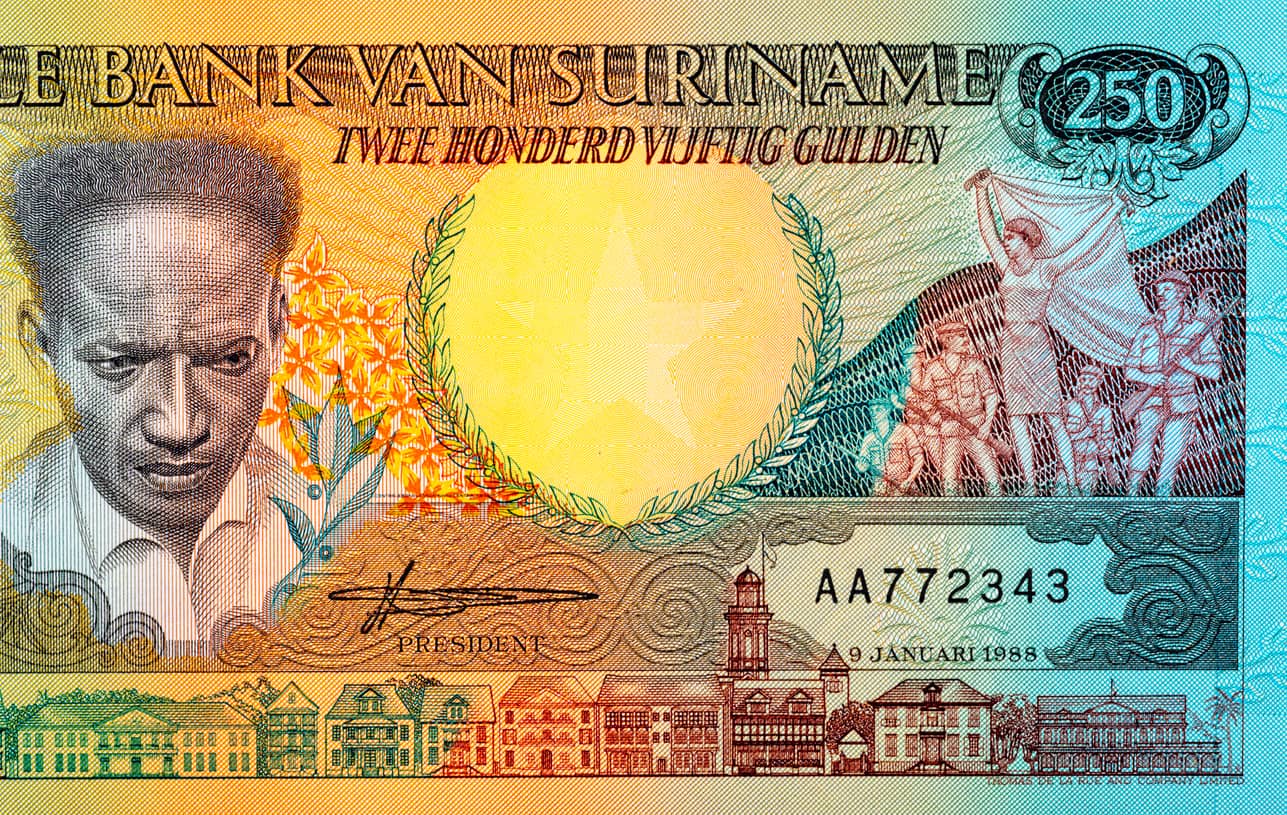
Who Was Anton de Kom?
Anton de Kom (1898–1945) was a Surinamese writer, anti-colonial activist and resistance fighter whose work continues to shape discussions about Dutch history and social justice. For expats living in the Netherlands, learning about Anton de Kom offers valuable insight into the country’s colonial past and its ongoing conversation about equality, identity and historical accountability.
Early Life and Colonial Experience
Born in Paramaribo, Suriname, Anton de Kom grew up under Dutch colonial rule. His father had been born into slavery shortly before its abolition, giving De Kom a personal connection to the legacy of slavery and inequality. After moving to the Netherlands in the early 1920s, he became increasingly involved in political activism and spoke out against colonial oppression.
Although Anton de Kom never attended university, he was largely self-taught. Through extensive reading and personal experience, he developed a deep understanding of history, colonialism and social justice.
In 1933, De Kom returned to Suriname, where he offered free advice to workers and advocated for equal rights. His growing popularity alarmed the colonial authorities, who arrested him without trial. His detention sparked public protests, during which several demonstrators were killed by colonial police. De Kom was later deported to the Netherlands.
‘We Slaves of Suriname‘
In 1934, Anton de Kom published We Slaves of Suriname (Wij slaven van Suriname), a groundbreaking book that challenged the traditional colonial narrative. Rather than portraying Dutch colonialism as a civilising mission, De Kom described the exploitation, violence and resistance experienced by enslaved people and their descendants.
The book became the first history of Suriname written from the perspective of the colonised instead of the coloniser. Today, it is considered one of the most influential works in Dutch and Surinamese history and is widely studied in schools and universities.
Resistance During the Second World War
When the Second World War began, Anton de Kom joined the Dutch resistance against Nazi Germany. He wrote for underground newspapers, helped distribute illegal publications and remained committed to fighting injustice, despite the risks.
In 1944, he was arrested by the German occupying forces. After being imprisoned in several camps, he was deported to the Sandbostel concentration camp in Germany.
A Tragic End and Lasting Legacy
Anton de Kom died on 24 April 1945, only weeks before the end of the war, from tuberculosis and severe exhaustion caused by his imprisonment.
Today, he is recognised as one of the Netherlands’ most important anti-colonial thinkers. In 2020, Anton de Kom became the first Surinamese person to be included in the Canon of the Netherlands, and his name is carried by institutions, schools and the Anton de Kom University of Suriname. His story remains a powerful reminder that the fight for freedom, equality and human dignity extends across generations.