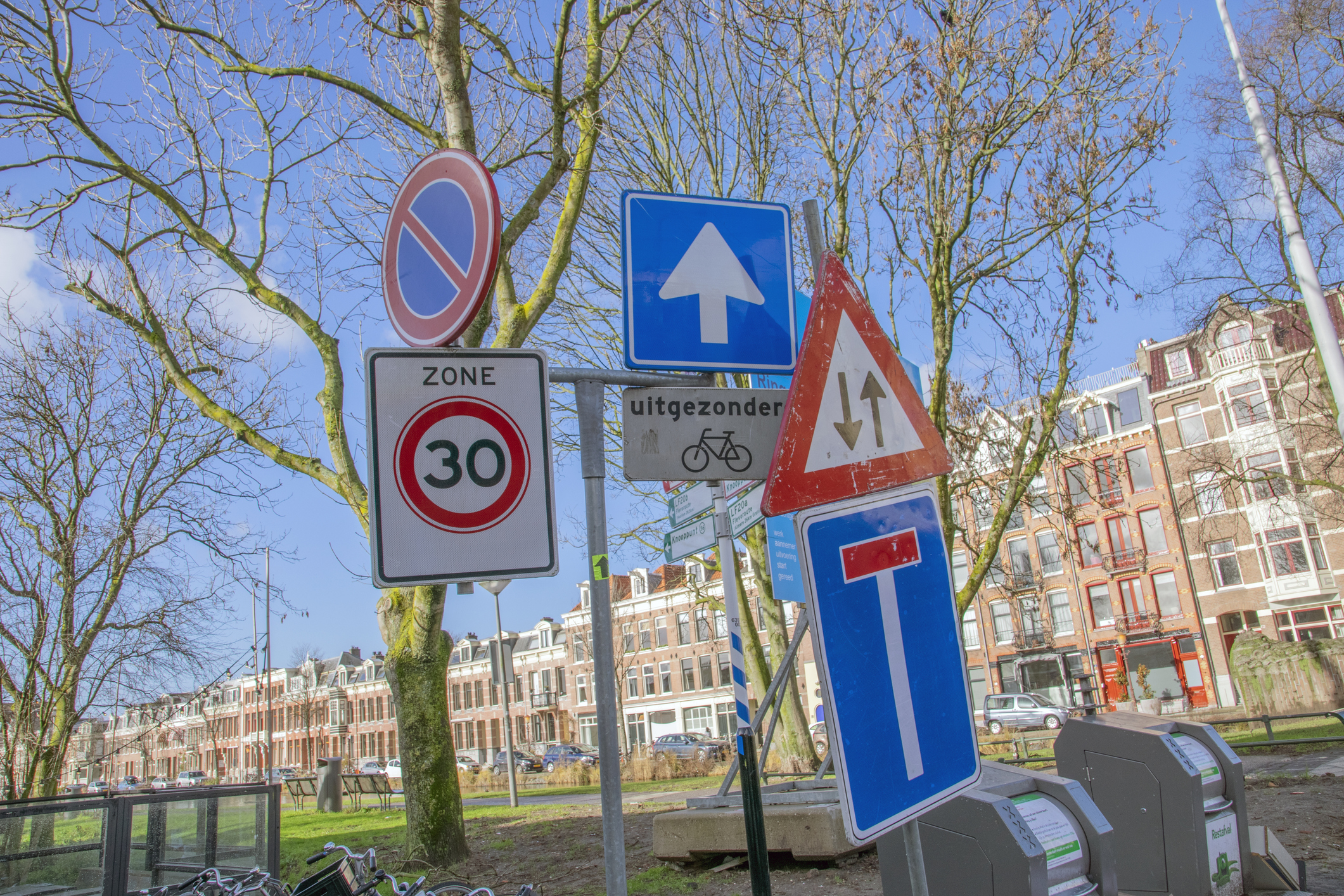
New to the Netherlands? Want to join the cheerful, fast-moving flow of Dutch cyclists? Cycling is one of the easiest ways to get around, but Dutch bike traffic can be quite an adventure when you’re new here! From busy intersections to tram tracks and unexpected cycling etiquette, knowing the cycling rules in the Netherlands will help you stay safe, avoid fines and ride with confidence. Get ready to hop on your bike and feel right at home on two wheels!
1. Use the Bike Lane
Use a designated cycle path (fietspad) when one is provided. Keep to the right and overtake other cyclists on the left. Don’t cycle on the pavement or through pedestrian-only areas unless signs allow it.
2. Stop at Red Lights
Red means stop for cyclists, too. Follow traffic signs and road markings, and don’t assume you have priority just because you’re on a bike.
At an uncontrolled junction, traffic approaching from your right generally has priority, unless signs or markings indicate otherwise. Always check carefully before crossing.
3. Give Way Where Required
At zebra crossings, give way to pedestrians who are crossing or clearly waiting to cross. Watch out for trams: they can’t stop quickly and generally have priority. Never stop on tram tracks.
Tram tip: Cross tram rails at an angle to reduce the risk of your wheels getting stuck.
4. Signal Before Turning
Extend your left or right arm to show where you’re going. Check behind you before changing direction, and make sure it’s safe to move. You may cycle two abreast, provided you don’t obstruct other traffic.
5. Use Lights After Dark
Your bike must have a white or yellow front light and a red rear light in darkness or when visibility is seriously reduced. Lights must be visible and must not flash. Your bike also needs the legally required reflectors.
6. Keep Your Phone in Your Pocket
Holding a phone or another electronic device while cycling is illegal. Use a handlebar mount for navigation, or pull over somewhere safe before checking directions.
7. Do You Need a Helmet?
For ordinary bicycles and standard e-bikes, helmets are not generally compulsory, but wearing one is recommended. Speed pedelecs—electric bikes capable of speeds up to 45 km/h—have different rules, including helmet and registration requirements.
Ready to Ride?
Dutch cycling becomes much easier when you know the rules. Stay predictable, look around before turning, and remember: being confident doesn’t mean having right of way.
Always follow local signs and markings, as rules can vary by location.
Want to master city cycling and pick up some handy tips along the way?
Book a session with one of our Dutch tutors — they all know how to pedal like a local!